
Intelligent Operations for Water, Power & Telecom
From water distribution networks to electrical grids and telecom tower portfolios — unified asset management that keeps essential services running.
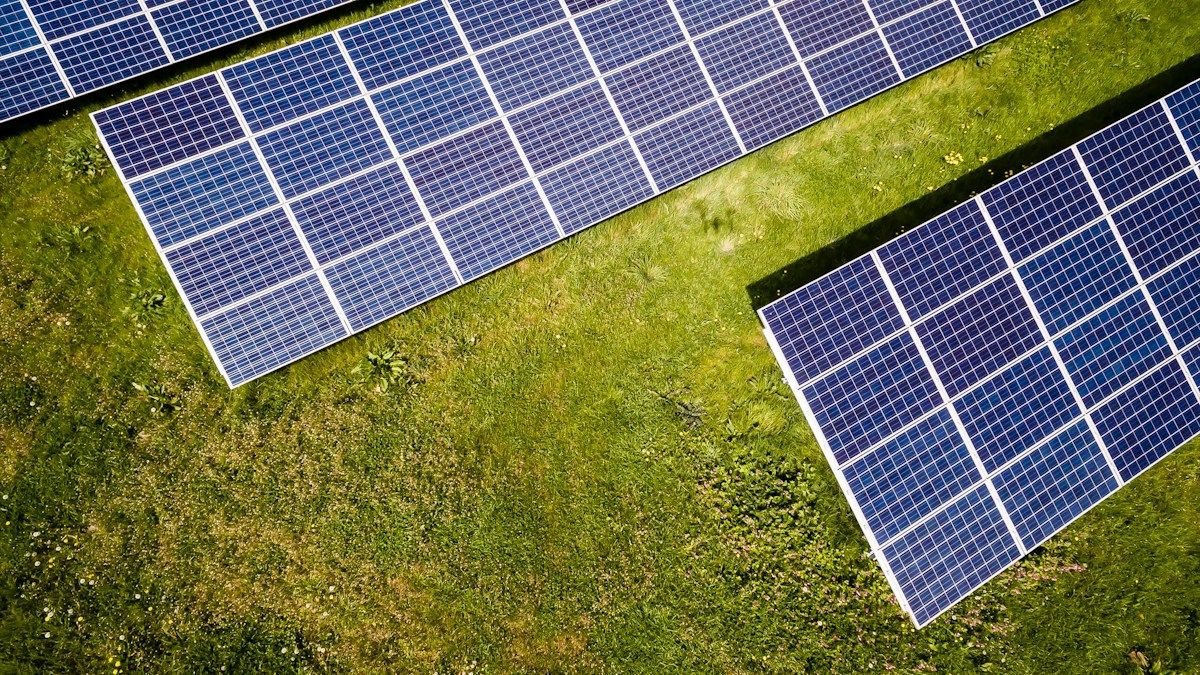
Utilities manage some of the most distributed and critical asset portfolios in the world — thousands of kilometres of pipes, cables, and towers serving millions of customers. Syncgrass platforms bring visibility, predictive maintenance, and operational efficiency to utility asset management.
Business Challenges
Underground Asset Blindness
Water pipes, electrical cables, and fibre buried underground with incomplete or inaccurate as-built records — every excavation is a risk.
Non-Revenue Water & Energy Loss
Up to 40% of treated water lost to leaks and theft. Electrical losses from technical faults and illegal connections eroding utility finances.
Slow Fault Response
Faults reported by customer calls rather than detected by monitoring — hours or days between occurrence and crew dispatch.
Regulatory Compliance Pressure
Utilities face increasing regulatory requirements for asset condition reporting, service reliability metrics, and environmental compliance.
Measurable Results
28%
Maintenance cost reduction
4 hrs
Average fault response time (down from 48 hrs)
40%
Reduction in non-revenue water
100%
Regulatory inspection compliance
Syncgrass Products for Utilities
AIMS
Complete utility asset management — network inventory, condition assessment, preventive maintenance, work order management, and capital planning. Network trace for linear assets.
Learn moreGeoBunkerTrace
Security monitoring for remote utility infrastructure — substations, towers, pump stations — with tamper alerts and satellite backup.
Learn moreArchitecture
A network-aware architecture that models linear assets (pipes, cables) and point assets (valves, transformers, towers) — with spatial analysis and network tracing.
Layer 1
Asset & Network Layer
- Digital twin of utility network: pipes, cables, valves, transformers, towers — all geo-referenced
- Linear referencing for pipe and cable segments with attribute data
- IoT sensor integration: flow meters, pressure sensors, power quality monitors, tower strain gauges
Layer 2
Operations Layer
- AIMS core: work order management, preventive maintenance, condition assessment
- Network trace: upstream/downstream analysis, isolation zone identification
- Mobile field app: work execution, inspection checklists, photo evidence, digital signature
Layer 3
Analytics Layer
- Predictive maintenance models for pumps, transformers, and critical equipment
- Leak/burst detection analytics correlating flow and pressure anomalies
- Asset health scoring with degradation projection for capital planning
Layer 4
Customer & Regulatory Layer
- Service reliability dashboards for regulatory reporting
- Outage/fault visualisation on public-facing map
- Automated compliance reporting for environmental and safety regulations
Implementation Approach
Utility deployments begin with network inventory and condition baseline — integrating with existing SCADA and GIS where present.
Network Inventory & GIS Integration
Consolidate existing network records — CAD drawings, spreadsheets, legacy GIS. Build unified spatial asset register. Fill gaps through field verification.
Maintenance Process Digitisation
Replace paper work orders. Deploy mobile app for field crews. Establish preventive maintenance schedules for all asset classes.
SCADA & IoT Integration
Connect existing SCADA data feeds. Deploy additional IoT sensors on critical assets. Enable real-time condition monitoring and alerting.
Predictive Operations
Train ML models on historical failure and condition data. Activate predictive maintenance for critical rotating equipment and network segments.
Capital Planning & Regulatory Reporting
Feed asset condition data into multi-year investment planning. Automate regulatory compliance reporting. Enable scenario modelling for rate case justification.
Digital Transformation
Transform from reactive, complaint-driven utility operations to proactive, data-driven network management.
Before Syncgrass
- Network maps on paper or in disconnected CAD files — no single source of truth
- Faults reported by customer calls — crew dispatched based on verbal descriptions
- Maintenance scheduled by calendar or ignored until failure
- No condition data for capital planning — investment decisions based on equipment age alone
- Regulatory reports compiled manually from inconsistent data sources
After Syncgrass
- Single GIS-backed asset register — every pipe, cable, and equipment item located and attributed
- IoT sensors detect anomalies automatically — work orders created before customers notice
- Predictive maintenance triggers work at optimal time — before failure, not after
- Capital plan driven by asset health scores — every investment decision data-justified
- Automated regulatory reports generated from live operational data
Modernise Your Utility Operations
See how AIMS can transform your asset management — from network inventory to predictive maintenance.